Where to See the Northern Lights in Alaska
Where to see the northern lights in Alaska: Fairbanks, Cleary Summit, Chena Hot Springs, Coldfoot, Wiseman, Denali, Anchorage and the far north compared, with tours.
For a first northern lights trip to Alaska, base yourself in Fairbanks: it lies under the auroral oval, has drier Interior weather than the coast, and has plenty of tours, hotels and dark viewpoints within an hour’s drive. Coldfoot and Wiseman suit you if you want a remote Arctic setting. Denali works if you are already there in the dark months, and Anchorage is the easy choice if you can’t travel north, although the aurora shows less often there than around Fairbanks. No place guarantees a sighting.
Check Availability
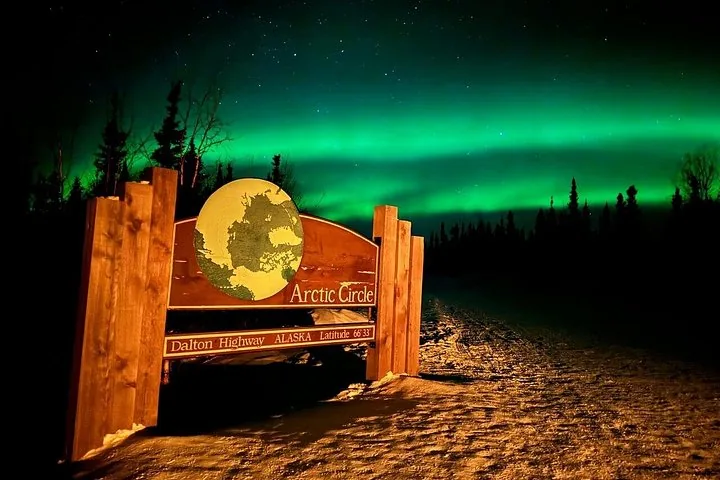
Northern Lights & Arctic Circle Tour
- 4.6/5 (990+ reviews)
- 12 to 14 hours
- Operated by Alaska Wild Lights
Includes Driver-guide from Alaska Wild Lights · Hotel pickup and drop-off within Fairbanks city limits · Personalized Arctic …
You'll choose your date and complete the booking on Viator.
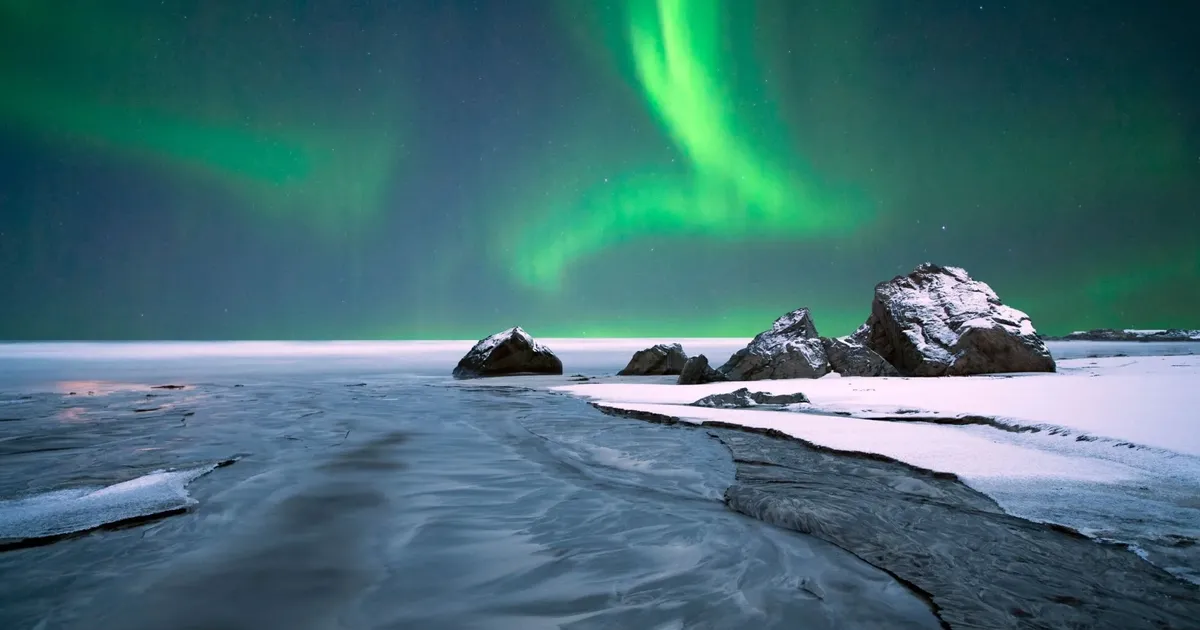
Going as far north as you can doesn’t help much. You need darkness, at least a partly clear sky, an active aurora and an open view. A clear night near Fairbanks can beat a cloudy night above the Arctic Circle.
If the northern lights are the main reason for your trip, stay in Fairbanks for at least three nights, keep more than one evening free, and add an aurora chase or a guided Arctic Circle trip. You can compare the Arctic Circle tours from Fairbanks that watch for the aurora on the way back.
The best places to see the northern lights in Alaska at a glance
| Place | Suits | Main advantage | Main drawback | How to do it |
|---|---|---|---|---|
| Fairbanks | First-time aurora travelers | Many tours and darker spots close by | Some light pollution in town | Stay 3 to 4 nights and use an evening tour or nearby viewpoints |
| Cleary Summit / Murphy Dome | Visitors staying in Fairbanks | High, fairly easy-to-reach viewpoints | Icy hill roads in winter | Go with a guide or a suitable vehicle |
| Chena Hot Springs area | Couples and comfort seekers | Hot springs plus an aurora evening | Long evening, and the weather still decides | Book a guided evening trip |
| Coldfoot | Arctic adventurers | Very dark, remote Dalton Highway setting | Long drive, few services, little lodging | A guided fly-drive or overnight Arctic trip |
| Wiseman | Quiet wilderness stays | A tiny settlement with dark skies | Remote, little independent transport | Arrange lodging and transport ahead |
| Denali area | Travelers on an Interior Alaska route | Little artificial light outside the developed areas | Fewer services and less access in winter | Check seasonal lodging and road access |
| Anchorage / Mat-Su Valley | Trips starting in Southcentral Alaska | Main airport and city services | City lights and often cloudier weather | Drive out of town when conditions look good |
| Nome / Utqiaġvik | Specialist remote trips | Far-north travel | Flights, weather delays, logistics and cost | Plan it as an expedition, not a quick aurora weekend |
This is practical advice, not a scientific ranking. Local cloud and solar activity can flip the advantage between two places on any night.
1. Fairbanks: the best all-round base for the northern lights
For most travelers, Fairbanks gives the best mix of a good position under the aurora and easy logistics. It sits under the auroral oval, where the northern lights are most frequent, and its Interior location usually brings clearer weather than coastal towns.
Explore Fairbanks gives the local aurora season as 21 August to 21 April. It reports that visitors who stay at least three nights and go out looking during the season have a better than 90% chance of seeing the lights. That is a regional figure, and it can’t promise anything for your own trip or tour.
Fairbanks also keeps your options open: an evening aurora chase, a photography-focused trip, a night at the hot springs, or a drive north on the Dalton Highway to the Arctic Circle. Our Fairbanks guide covers the town, our Fairbanks northern lights guide covers the viewing spots and aurora tours around it, and our page on where to stay in Fairbanks covers the hotels.
Where to watch near Fairbanks
- Creamer’s Field: open fields close to town; handy if you don’t want a long drive, though the town’s light affects the sky.
- Cleary Summit: a popular viewpoint about 20 miles north of Fairbanks, reached by a road with steep grades and sharp bends; winter traction matters.
- Murphy Dome: a high viewpoint about 25 miles from Fairbanks, with wide sky views but a hard road in winter.
- Chena Lake Recreation Area: near North Pole, outside central Fairbanks; open water in the fall can reflect the aurora before freeze-up.
- Chena River State Recreation Area: darker spots along Chena Hot Springs Road, with patchy cell coverage in places.
Don’t stop on the highway where it’s unsafe, block the road or walk onto private land. If you’re not comfortable driving icy roads after midnight, book a tour.
Best choice if: you want the northern lights as your main goal without spending several days in remote Arctic Alaska.
Our pick near Fairbanks: the Northern Lights Tour with Free Photos - Arctic Night Tours, rated 4.8/5 from 290+ GetYourGuide reviews. It picks you up at your hotel, the guide sets the route and distance on the night to find a clear sky, and you get the guide’s photos. Check the listing for the start time on your date.
Other Experiences
Other experiences you might enjoy
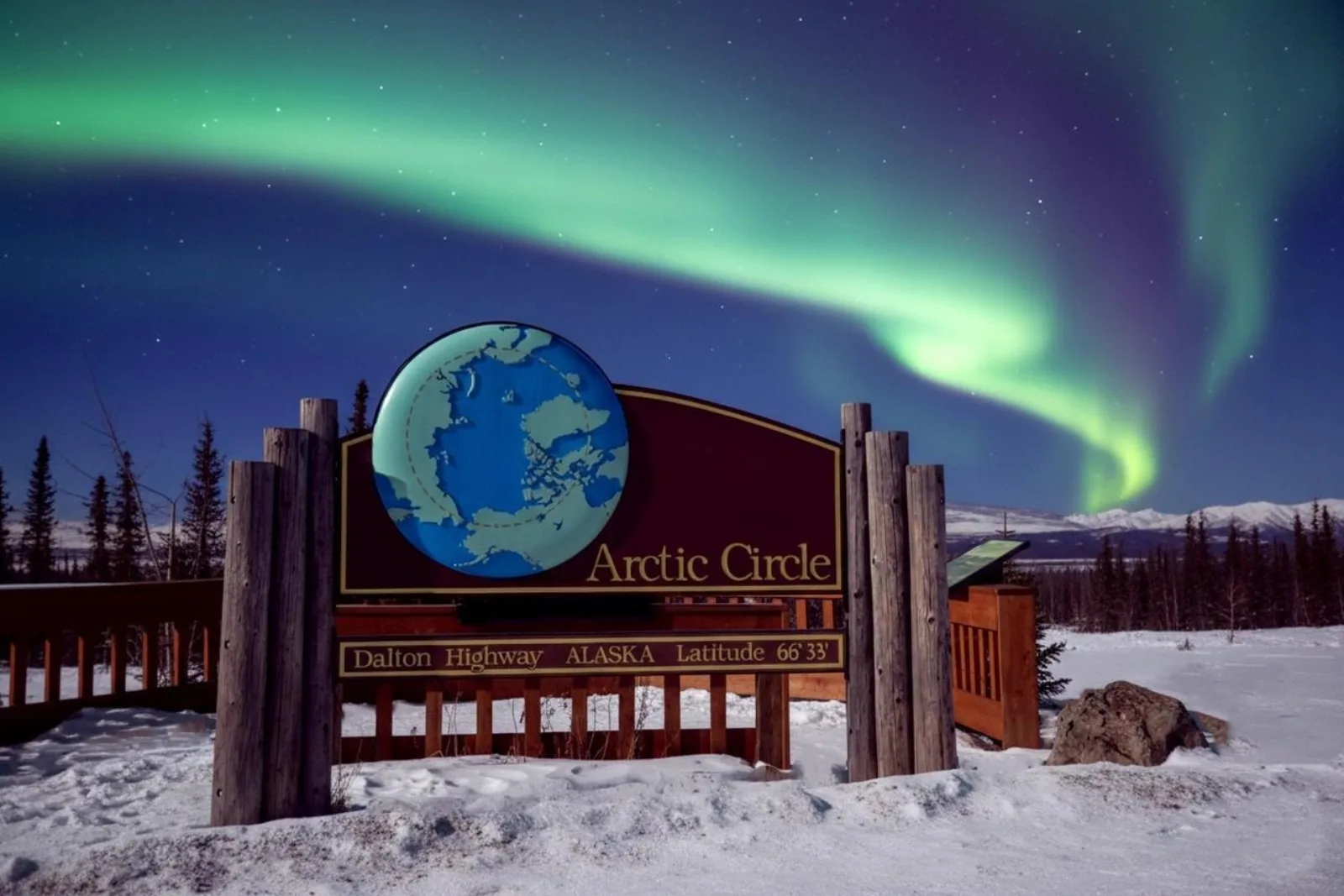
More aurora trips from Fairbanks, from the Dalton Highway to the Arctic Circle sign and back after dark.

2. Coldfoot: the Arctic wilderness option
Coldfoot is a remote stop on the Dalton Highway, about 259 road miles north of Fairbanks. It suits you if you want an Arctic landscape along with the aurora, but getting there is a much bigger trip than a drive to a viewpoint near Fairbanks.
There is little artificial light, and operators run aurora trips there. Going farther north does not beat cloud cover, though. The remoteness is the appeal of Coldfoot, but it doesn’t bring stronger displays.
The Dalton Highway has few services and long unpaved sections, and many standard rental contracts don’t allow it; our guide to driving yourself or taking a tour covers the rules. Explore Fairbanks recommends going to Coldfoot on a tour, because the road is rough in places, cell service comes and goes, and help is far away.
Best choice if: you want to add the Arctic Circle crossing, the Dalton Highway and a night in remote Arctic Alaska to your aurora trip.
How to get there: a guided road trip, an organized fly-drive trip or a specialist Alaska operator. Check whether the trip stops at the Arctic Circle sign only or carries on to Coldfoot: they are different trips. Our multi-day tours page and fly-drive tours page compare the ones that go past the sign.
For the road itself, see our Dalton Highway tours page and our guide to getting from Fairbanks to the Arctic Circle.
3. Wiseman: a quiet stay in a small Arctic settlement
Wiseman, just north of Coldfoot, suits you if you’d choose a quiet wilderness base over a city hotel. With very little light around it, a clear night can be memorable. Lodging and transport are limited, so arrange them well ahead.
Don’t try to improvise a midwinter trip on your own. Expect long distances, serious cold, patchy communications and hard travel. Check the exact location of the lodge and how it handles night viewing before you book.
Best choice if: you’re comfortable with remote travel and would rather sleep in the Arctic than drive back to Fairbanks the same day.
4. Cleary Summit and Murphy Dome: viewpoints near Fairbanks
For most visitors these are not destinations of their own; they are viewpoints you reach from a Fairbanks base. They earn a mention because a short drive away from the city lights can change what you see.
Cleary Summit
About 20 miles (32 km) from Fairbanks, Cleary Summit has several pullouts and sits at around 2,233 feet (680 m). The bends and grades make driving on a snowy night a serious matter.
Murphy Dome
About 25 miles (40 km) from town, Murphy Dome rises to around 2,877 feet (877 m) and gives wide views. Snow, ice and little parking can get in the way.
Which is better? Neither wins every time. Go by cloud cover, wind, road conditions and where you can park safely. Check the Explore Fairbanks Aurora Tracker before you set out.
5. Chena Hot Springs: aurora watching with something to do
Chena Hot Springs, about 60 miles east of Fairbanks, is a popular choice if you want more from a winter evening than waiting in a parking lot. You can combine a soak with watching for the northern lights, depending on the tour’s schedule.
It is a practical choice if you want one bookable trip instead of planning a remote self-drive. The soak and the aurora are separate things, though: the lights may come before or after your time in the water, or not at all.
Our pick for Chena: the Fairbanks: Northern Lights & Chena Hot Springs Tour, rated 4.5/5 from 170+ GetYourGuide reviews. It takes about 10 hours, with pickup from hotels in Fairbanks or North Pole, a guided visit to the Aurora Ice Museum and time in the outdoor hot springs. Check which admissions, meals and extras the price covers on your date.
6. Denali: if it’s already on your Alaska route
Denali’s open landscapes and low light pollution are good for dark-sky viewing. The National Park Service says the skies there are dark enough for the aurora from about mid-August to mid-April, and advises finding a spot with an open view of the northern horizon, away from buildings, thick trees or mountains.
The catch is the season. The dark months have fewer open facilities and more limited services than summer. In June and July the long daylight rules out the aurora altogether.
Best choice if: you’re already staying near Denali when the nights are dark and want to keep the aurora as an option. For a trip planned around the northern lights, Fairbanks is usually the better base.
7. Anchorage and the Mat-Su Valley: the convenient option
If you arrive in Anchorage and can’t spare the time for Fairbanks, you can still look for the aurora. The main limits are city light, a position farther south of the auroral oval and changeable local weather.
Skip the bright downtown streets and drive out to a safe, public dark spot outside town. The Mat-Su Valley and the Talkeetna area can also work, depending on conditions and the rest of your route.
Best choice if: your trip is in Southcentral Alaska and you’d like to add the aurora when conditions allow. If the aurora is your single biggest goal, go north.
8. Nome and Utqiaġvik: for travelers who want remote Alaska
Nome and Utqiaġvik offer far-northern settings and a chance at the northern lights in the dark months. They are not better aurora bets than Fairbanks by default. Coastal weather, flight schedules, scarce lodging and cost make an aurora-focused trip harder to pull off.
Neither town is on the road from Fairbanks: you fly in, so planning works very differently from a road trip to Coldfoot or the Arctic Circle sign.
Best choice if: you mainly want to see these remote places, with the aurora as a possible bonus.
Fairbanks, Coldfoot or Anchorage: which should you choose?
| Your priority | Best fit | Why |
|---|---|---|
| Best practical chance on a short trip | Fairbanks, 3 or more nights | Good position, a wide tour choice and spare nights |
| Remote Arctic landscape and the northern lights | Coldfoot / Wiseman | A deeper wilderness experience |
| One evening with a guide | Fairbanks guided aurora chase | The guide picks the route and drives |
| Northern lights plus the Arctic Circle crossing | Fairbanks to Arctic Circle guided tour | A landmark road trip with a chance of the aurora on the way back |
| The aurora as a bonus on an Anchorage trip | Anchorage / Mat-Su | No big change to your route |
| Already in Denali in the dark months | Denali area | Little light pollution when the sky and access allow |
Is the Arctic Circle itself the best place to see the northern lights?
Not necessarily. The Arctic Circle is a line of latitude at about 66.5°N. The aurora doesn’t suddenly appear when you cross it. Fairbanks lies south of it but close to the auroral oval, and it is one of Alaska’s best-equipped aurora bases.
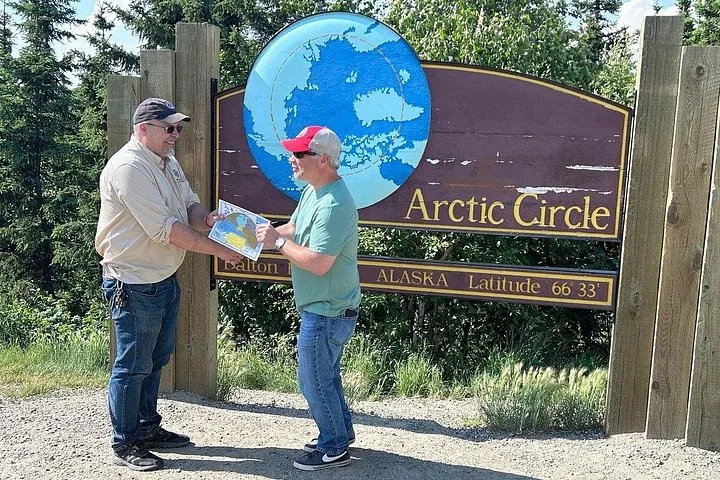
A trip to the Arctic Circle sign adds wild scenery and a memorable milestone. Don’t book a one-day road trip assuming its aurora chances are higher than a local chase near Fairbanks with an experienced guide.
That matters most when you compare a 12-to-14-hour Arctic Circle trip with a shorter evening aurora outing.
Guided northern lights tour or self-drive?
Choose a guided tour if you don’t know Alaska’s winter roads, want help reading the local weather, want photos taken for you, or plan to go up the Dalton Highway. Check the cancellation terms and whether a sighting is guaranteed (it usually isn’t).
Consider driving yourself if you have winter driving experience, a suitable vehicle and safe, legal places to stop. Carry winter clothing and emergency supplies, watch the forecasts, and don’t treat remote highways like city scenic drives.
For a first trip, one dedicated Fairbanks aurora outing plus one Arctic Circle trip, daytime or afternoon into night, makes a good pair. You get the best chance at the sky and a wider look at the region.
Northern lights tours to compare
These are live listings, not endorsements or a promise of seats. Prices, schedules, inclusions and cancellation terms can change.
| Tour | Platform | Suits | Rating | Booking link |
|---|---|---|---|---|
| Northern Lights Tour with Free Photos - Arctic Night Tours | GetYourGuide | A Fairbanks aurora chase with photos | 4.8/5 from 290+ reviews | Northern Lights Tour with Free Photos |
| Fairbanks: Northern Lights & Chena Hot Springs Tour | GetYourGuide | Hot springs and an evening out, about 10 hours | 4.5/5 from 170+ reviews | Northern Lights & Chena Hot Springs Tour |
| Northern Lights & Arctic Circle Tour | Viator | A guided Dalton Highway trip to the sign with aurora stops on the way back, 12 to 14 hours, $363 | 4.6/5 from 990+ reviews | Northern Lights & Arctic Circle Tour |
| Northern Lights and Arctic Circle Trip from Fairbanks | Viator | An Arctic Circle trip with pickup from your lodging, 14 hours, $330 | 4.6/5 from 180+ reviews | Northern Lights and Arctic Circle Trip from Fairbanks |
The two Arctic Circle trips run much longer than a local aurora chase. If you only want to see the lights, compare the length, how flexible the trip is with weather and the refund terms, not only the title. Our northern lights tours page compares every aurora trip to the Arctic Circle, and our Fairbanks guide sets the best northern lights tours in Alaska from Fairbanks, the Arctic Circle and Coldfoot side by side.
When to go and how long to stay
The Fairbanks aurora season runs from about 21 August to 21 April, according to Explore Fairbanks and the University of Alaska Fairbanks Geophysical Institute. September and March are milder than midwinter and fall near the equinoxes, when the aurora is more frequent. Winter gives you long nights, with severe cold as part of the trip. Between late April and mid-August, the bright nights rule out the aurora around Fairbanks. Our month-by-month northern lights guide goes through each month.
Allow at least three evenings instead of one aurora outing followed by an early flight. The University of Alaska Fairbanks Geophysical Institute gives roughly 9 p.m. to 3 a.m. as the viewing window, best in the hours around midnight, though displays can happen outside it.
Before you go out, check:
- Cloud forecast: thick cloud hides even a strong aurora.
- Aurora forecast: use the University of Alaska Fairbanks Geophysical Institute and ignore social media predictions.
- Darkness: a bright summer sky hides an active aurora completely.
- Safety and roads: overnight cold, long distances and weak reception matter as much as the sky.
- Spare nights: several free nights help when one evening is overcast.
Three-night Fairbanks northern lights itinerary
Day 1: Arrive and take a local aurora tour
Settle in, pick up your winter clothing and join a guided aurora outing in the evening. Choose a tour with clear pickup details, and don’t book a hard early-morning activity for the next day.
Day 2: Explore Fairbanks and consider Chena Hot Springs
See Fairbanks by day, then take the hot springs trip or try a nearby viewpoint on your second night. If the forecast shows one evening much clearer than the others, move your plans to it.
Day 3: Head north toward the Arctic Circle
If you want to cross the Arctic Circle, join a guided Dalton Highway trip that lists the Arctic Circle sign as a stop. Some afternoon departures watch for the northern lights on the drive back, with no promise of a sighting. Expect a long day and a very late return.
Alternative: if a night in the Arctic wilderness matters more than getting back to Fairbanks, look at a Coldfoot or Wiseman trip on our multi-day tours page. It is a bigger commitment; leave spare days around it.
Frequently asked questions
What is the number-one place to see the northern lights in Alaska?
Fairbanks is the most practical choice overall, because it sits near the auroral oval, has fairly favorable sky conditions and a wide choice of aurora tours and hotels. It is not the best place on every single night.
Is Coldfoot better than Fairbanks for the northern lights?
Coldfoot is remote and dark, and good for travelers who want an Arctic experience. It does not always have clearer skies or brighter aurora than Fairbanks on a given night, and Fairbanks has more backup options and places to stay.
Can you see the northern lights from downtown Fairbanks?
Yes, bright displays can show in town. Moving to a safe, darker spot makes a faint aurora easier to see and gives better photos.
Is Anchorage a good place to see the northern lights?
It can be, when a strong display meets a clear sky. Fairbanks and Interior Alaska are usually better for a trip planned around the aurora.
Can you see the northern lights at the Arctic Circle sign?
You can, if the sky is dark and clear and the aurora is active. The sign itself does not improve the weather or guarantee a display. Ask your operator whether the trip includes time for night viewing.
What is the best month for viewing in Fairbanks?
No single month is the best. September and March are milder than midwinter and fall near the equinoxes, when the aurora is more frequent; December to February have the longest nights. The night you see it still depends on cloud and activity. See our month-by-month northern lights guide.
How many nights should I stay in Fairbanks for aurora viewing?
Aim for at least three nights and go out when conditions look good. Explore Fairbanks reports a better than 90% chance for visitors who stay at least three nights in the season and go out looking, but that is not a personal guarantee.
Should I book an Arctic Circle tour just for the northern lights?
Only if you also want the Dalton Highway scenery and the Arctic Circle crossing. For an evening spent on the aurora, a shorter Fairbanks chase uses your time better.
Are northern lights tours guaranteed to see the aurora?
No. Sightings depend on nature and the weather. Some tours offer a rebooking policy, but don’t assume a free second night, a refund or a guarantee unless the listing says so.
Our recommendation
For a first visit, stay in Fairbanks and plan several nights of aurora watching. Add an Arctic Circle trip if you want to see the Dalton Highway wilderness and cross the Arctic Circle. If remote Alaska draws you, a night in Coldfoot or Wiseman can be the highlight of the trip, but it takes more time, money and preparation.
Start with the best time to see the northern lights in Alaska, then compare the Arctic Circle tours from Fairbanks. Check your exact dates on the listing, because winter departures can change.
Sources
- Explore Fairbanks: aurora season: the local season, multi-night planning and kinds of outings.
- Explore Fairbanks: aurora viewing locations: Cleary Summit, Murphy Dome, Creamer’s Field, Coldfoot and road cautions.
- University of Alaska Fairbanks Geophysical Institute: aurora forecast and FAQs: cloud, darkness, equinoxes, viewing hours and winter safety.
- Travel Alaska: northern lights viewing: regions compared.
- Travel Alaska: how to see Alaska’s northern lights: regional viewing options.
- National Park Service: aurora and stargazing in Denali: the dark season and the northern horizon.
- Explore Fairbanks: Aurora Tracker: forecast tool.
Stand at 66°33′ North This Season
A day on the Dalton Highway, the Arctic Circle sign after dark and a watch for the aurora on the long drive home.
Check Availability & Book